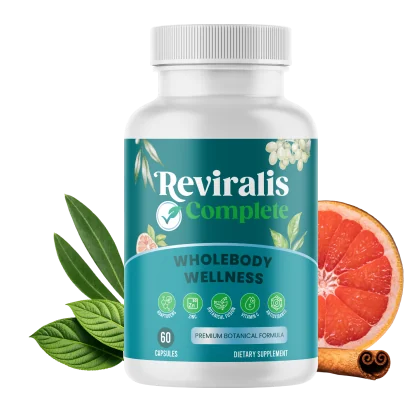
The quick answer
Check the complete label, ingredient forms, amounts, and other ingredients. The supplied presentation uses “41-in-1” but names 38 distinct components in its four groups. This guide lists those names without inventing missing amounts or ingredients.
Ingredient research and clinical testing of the finished blend answer different questions. Check the exact formula before drawing conclusions from either. Before buying, obtain the complete Supplement Facts panel and the other-ingredients list so you can check the product you would actually receive.
Read the full panel before counting ingredients
The product presentation describes a 41-in-1 formula. Its four ingredient groups list 38 distinct entries. That difference needs the actual bottle label to resolve. Do not assume that three missing names can be inferred from packaging art, a category title, or a similar supplement.
Look first for serving size. Then check the amount per serving and the form used. A daily capsule direction does not tell you the quantity of every ingredient. Nor does the order of a promotional list establish the amounts in the finished product.
FDA explains what belongs on a supplement label, including Supplement Facts and other ingredients. Read the FDA labeling explanation ↗. Use that framework to ask precise questions rather than accepting a long formula description as complete labeling.
Group one: nervous-system components
The first group names bacopa monnieri, N-acetyl L-tyrosine, phosphatidylserine, vitamin B5, magnesium, choline, and DHA. These are different types of ingredient, not seven versions of the same nutrient. Compare each entry on its own terms.
Choline has an established role in producing acetylcholine, while magnesium participates in normal nerve and muscle function. Those roles explain the general nutritional context. They do not establish that the whole blend changes a disease-related trigger. Read NIH information on magnesium ↗.
For bacopa, tyrosine-related compounds, and phosphatidylserine, ask for the exact amount and preparation before comparing published research. For DHA, ask about the source and allergen labeling. A broad category such as “nervous-system support” is not enough to establish equivalence with a study or suitability for an individual buyer.
Group two: B vitamins, minerals, and cinnamon
The second group lists cinnamon bark extract, vitamin B6, niacin, riboflavin, thiamine, folate, biotin, vitamin E, copper, manganese, calcium, and potassium. The mixture combines familiar nutrients with a botanical extract.
The main buyer check is overlap. If you already take a multivitamin or a B-complex product, compare both labels side by side. Look at the same nutrient across every product rather than reading each label in isolation. Include fortified drinks or other daily products when discussing your routine with a professional.
Do not assume every ingredient appears at a substantial dose just because the list is long. Equally, do not assume amounts are too small to matter. Both conclusions require the panel. When a claim depends on a dose, the missing number cannot be replaced by enthusiasm about the ingredient's reputation.
Group three: botanicals and immune nutrients
The third group names licorice root, olive leaf powder, green tea leaf extract, grape seed extract, grapefruit seed extract, vitamin C, vitamin D, vitamin A, zinc, and selenium. Check the botanical preparations and the nutrient amounts separately.
Some familiar nutrient roles are well established. For instance, zinc is involved in normal immune function and wound healing. That does not tell you how much zinc this capsule provides or whether you need more than you already obtain. Read the NIH zinc fact sheet ↗.
The botanical group also raises distinct safety questions. “Leaf,” “seed,” and “root” do not indicate a common risk profile. Ask a pharmacist to review the actual preparations rather than assuming that ingredients with plant names behave like normal portions of food.
Group four: additional compounds and trace elements
The fourth group includes chromium, DMAE bitartrate, inositol, glutamic acid, iron, molybdenum, boron, vanadyl sulfate, and bilberry fruit extract. Some are essential nutrients, some are other compounds, and some are botanical components.
Avoid treating the group title as evidence that every entry is necessary for every buyer. A formula may contain an ingredient without establishing a clear reason for you personally to add it. Ask what need the product would address and whether a simpler option could address that need more directly.
Iron deserves individual attention. It is needed for oxygen transport, but additional iron is not automatically helpful and can be unsuitable with iron overload. The amount and your medical circumstances matter. Read NIH guidance on iron ↗. Do not select an iron-containing blend solely because you feel tired.
Why ingredient form changes the comparison
A plant powder is not necessarily the same as an extract. An extract may be described by a ratio or standardized constituent, while a powder may simply identify the plant material. Those details affect how closely a product matches a particular research preparation.
The same principle applies to nutrient forms. A label may identify a compound used to supply a mineral, alongside the amount of the nutrient itself. Read the panel carefully and ask a pharmacist if the presentation is unclear. Do not add together unrelated numbers as though they all describe the same thing.
Research comparisons should match the ingredient, form, amount, and intended outcome as closely as possible. If the product information leaves those details unresolved, say that the comparison is unresolved. A precise-looking claim based on an unspecified preparation does not help a buyer make a better choice.
The other-ingredients list matters too
The active formula is only part of a capsule product. Look for the capsule shell, fillers, binders, and any other listed components. Buyers avoiding particular animal ingredients, allergens, or additives need that information before ordering.
Do not determine vegan or vegetarian suitability from the botanical content. A product can contain plant extracts and still use a capsule shell or nutrient source that does not fit your preferences. Ask the seller for a direct answer tied to the product label.
The same care applies to allergy statements. DHA, for example, can have different sources, and you need the actual source information for this formula. A generic internet explanation of omega-3s cannot establish that a particular bottle is appropriate for your allergy. Obtain product-specific confirmation and professional advice where needed.
How to use the ingredient directory
The directory below names each component shown in the product's four groups. It gives a short explanation or a useful question, without inventing milligram amounts or making the missing label appear complete.
Read it as preparation for a label review. Highlight anything you already take elsewhere. Note ingredients you have reacted to before, or that your clinician has asked you to avoid. Then bring those questions to someone who can assess your full medical and supplement history.
The goal is not to memorize every name. It is to make sure the finished blend has a sensible purpose and no unresolved suitability question for you. A shorter, clearer plan is often easier to manage than choosing a product because it covers many categories at once.
Nervous-system nutrients
Bacopa monnieri. A botanical included in the blend. Its presence alone does not establish better stress control or fewer outbreaks.
N-acetyl L-tyrosine. A form of the amino acid tyrosine. The amount per serving matters when comparing it with research.
Phosphatidylserine. A phospholipid used in cell membranes. An ingredient name cannot establish a clinical outcome.
Vitamin B5. An essential B vitamin involved in normal energy metabolism.
Magnesium. An essential mineral involved in normal nerve and muscle function.
Choline. Needed to make acetylcholine, a chemical messenger involved in nervous-system function.
DHA (omega-3). A long-chain omega-3 fatty acid. Check its source if you have a fish allergy.
Everyday nutritional foundations
Cinnamon bark extract. A botanical extract. Check the species, amount, and medicine compatibility on the label.
Vitamin B6. Supports normal metabolism. Excess supplemental B6 can damage nerves over time.
Niacin (B3). Supports energy metabolism. Some forms and doses cause flushing.
Riboflavin (B2). Helps the body use energy from food.
Thiamine (B1). Contributes to normal energy metabolism and nervous-system function.
Folate. Needed for DNA production and normal cell division.
Biotin. A B vitamin involved in nutrient metabolism. Tell your clinician about supplements before blood tests.
Vitamin E. An antioxidant nutrient involved in normal immune function.
Copper. An essential trace mineral. Avoid adding extra copper without checking your total intake.
Manganese. A trace mineral involved in enzyme function. More is not automatically better.
Calcium. Supports bones and normal muscle and nerve signaling.
Potassium. An electrolyte needed for normal cell function. Kidney disease and some medicines require extra caution.
Botanicals and immune nutrients
Licorice root extract. Contains glycyrrhizin. It can cause serious side effects, particularly with high blood pressure, heart disease, or kidney disease.
Olive leaf powder. A plant ingredient associated with oleuropein. This does not establish an antiviral benefit for the finished product.
Green tea leaf extract. Contains tea compounds such as EGCG. Extract supplements can interact with medicines; rare liver injury has been reported.
Grape seed extract. A source of plant compounds. Ask a pharmacist about combining botanical extracts with medicines.
Grapefruit seed extract. A botanical ingredient. Have a pharmacist check the actual extract and your medicine list.
Vitamin C. Supports normal immune function and helps the body absorb nonheme iron.
Vitamin D. Has a role in normal immune function. Check your combined intake from other supplements.
Vitamin A. Supports normal immune function. Avoid excessive preformed vitamin A, especially during pregnancy.
Zinc. Required for immune function and wound healing. Long-term excess can lower copper levels.
Selenium. An essential trace mineral involved in normal immune function. Excess intake can be harmful.
Additional formula components
Chromium. A trace mineral. Check with your clinician before combining it with diabetes medicines.
DMAE bitartrate. An additional formula ingredient. Its inclusion does not establish a proven benefit for this blend.
Inositol. A compound involved in cell signaling. Results from other formulations do not establish results here.
Glutamic acid. An amino acid that also occurs naturally in food and the body.
Iron. Needed for oxygen transport. Extra iron is unsuitable for some people, including those with iron overload.
Molybdenum. A trace mineral involved in enzyme processes.
Boron. A trace element included in the blend. Do not assume a benefit simply because it appears on the label.
Vanadyl sulfate. A vanadium compound. Ask your clinician about safety and the reason for including it in your routine.
Bilberry fruit extract. A botanical ingredient. Check the extract strength and dose before comparing products.
A research link is not an endorsement
An authority source can explain a nutrient without endorsing this product. It may discuss studies with different doses, preparations, and participants. Read the question the source answers before using it to support a product claim.
For Reviralis Complete, the key distinction is between ingredients with known roles in normal physiology and evidence that the specific finished formula delivers a clinical outcome. One does not automatically establish the other.
Keep a copy of the label you reviewed, because your decision should apply to the product you receive. If the formulation or directions differ at delivery, ask for clarification before use. An informed purchase depends on a clear formula, suitable amounts, and a reason to choose the blend beyond its ingredient count.
Current US package snapshot
| Package | Each bottle | Product total | US shipping |
|---|---|---|---|
| 2 bottles | $79 | $158 | $9.95 |
| 3 bottles | $69 | $207 | Free |
| 6 bottles | $49 | $294 | Free |
Two bottles total $167.95 including the stated US shipping before any applicable tax. The three- and six-bottle offers include the three digital bonus books. Check the actual order summary for tax, current terms, and any optional additions before paying.
Frequently asked questions
Does the formula contain 38 or 41 ingredients?
The presentation calls it 41-in-1, while the four groups provided name 38 distinct entries. Check the named components against the complete bottle label rather than guessing what might be missing. The current bottle label is needed to resolve the complete composition. Ask for the Supplement Facts panel and other ingredients before ordering. A count is less useful than knowing precisely what is included, how much is supplied, and whether each component fits your situation.
Are milligram amounts available in this guide?
Do not assume ingredient amounts that the product information has not established. Obtain the current label to confirm them. Without quantities, a close comparison with a study or another product remains limited. That is a reason to ask a precise product question, not to assume the amounts are either sufficient or negligible. Your pharmacist also needs the panel to assess combined intake and any medicine-related concerns accurately.
Does the ingredient list prove the product is vegan?
No. Plant ingredients do not establish the source of every nutrient or the capsule shell. Ask for the other-ingredients list and product-specific confirmation if vegan or vegetarian suitability matters to you. DHA source information is also relevant to some buyers. Do not rely on a leaf graphic, the word natural, or the absence of an animal picture. A clear answer tied to the actual formula is what you need.
Should every ingredient have a clinical study?
The useful standard depends on the claim. Basic nutritional roles have established reference information, while a specific outcome from a particular extract needs evidence matching that preparation and use. A study for each name would still not automatically establish the effectiveness of the full combined product. Ask what outcome is claimed, which evidence addresses it, and whether the product's dose and formulation match. A reference list is a tool for evaluation, not an endorsement.
Can I compare ingredients without a professional?
You can compare names, identify obvious duplication, and list questions. Personal suitability is more complex when medicines, health conditions, allergies, or several supplements are involved. Bring the full panel and your existing routine to a pharmacist or clinician for that assessment. The goal is not to become an expert in every compound before buying. It is to obtain enough accurate information for a decision that fits your actual circumstances.
What if the delivered label differs from the page?
Do not ignore the difference. Compare the product name, serving directions, ingredient panel, and packaging with the information you reviewed. Ask support to explain any mismatch and seek a fresh suitability review if the change affects your assessment. Keep the packaging and order confirmation while the question is resolved. A buying decision based on one formula should not automatically be transferred to a different formula simply because the branding looks similar.
Review the details before ordering
Choose a package only after the formula and full cost make sense for you. Read the current checkout terms and keep your confirmation. This is an independent affiliate guide, not the manufacturer or retailer.
View the official US offer